


BYD is advancing with the expansion of its maritime transport fleet by ordering 10 new car carrier vessels. The ships will have a capacity of approximately 9,200 equivalent vehicles each and will be progressively incorporated between 2027 and 2029. With this order, the Chinese automaker will bring the number of ships in its proprietary fleet to 18, at a time when its exports are growing and the company is expanding its presence in various markets.
The new vessels will be of the PCTC (Pure Car and Truck Carrier) type, specifically designed to transport automobiles and trucks. They will utilize the Ro-Ro (Roll-on/Roll-off) system, whereby vehicles drive on and off the vessel under their own power via ramps. Each ship will have a capacity of around 9,200 CEU (Car Equivalent Unit), a standard measurement used in maritime transport to calculate available space based on a standard car.
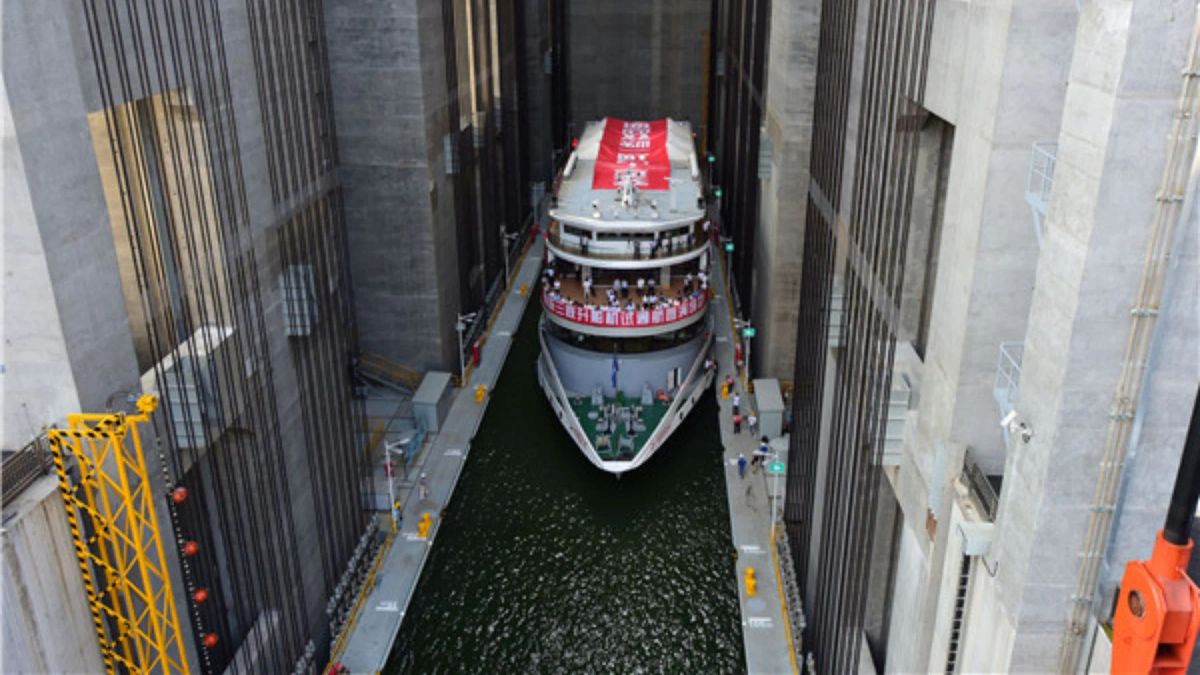
The 10 new ships will collectively provide a capacity close to 92,000 equivalent units. Currently, BYD has eight proprietary vessels, with capacities ranging approximately from 7,200 to 9,000 CEU. The first stage of this strategy began to take shape with the addition of these vessels, including the BYD Explorer No. 1, and continued with new units destined to transport the company's production from China to other countries.
The fleet expansion is linked to the growth of BYD's exports. Between January and August 2026, the company exported 1,126,797 passenger vehicles from China, representing an 88% increase compared to the same period of the previous year. In August alone, exports hovered around 184,000 units. According to published estimates, the fleet's annual logistics capacity could reach approximately 2.5 million units once the new vessels are integrated.
The construction of the 10 vessels will be carried out by China Merchants Industry at its Jinling and Haimen shipyards in China. Deliveries will take place progressively over a period of approximately three years. For now, the total contract amount and the financial details of the operation have not been publicly disclosed, while information regarding the order was reported by specialized automotive and naval industry media.
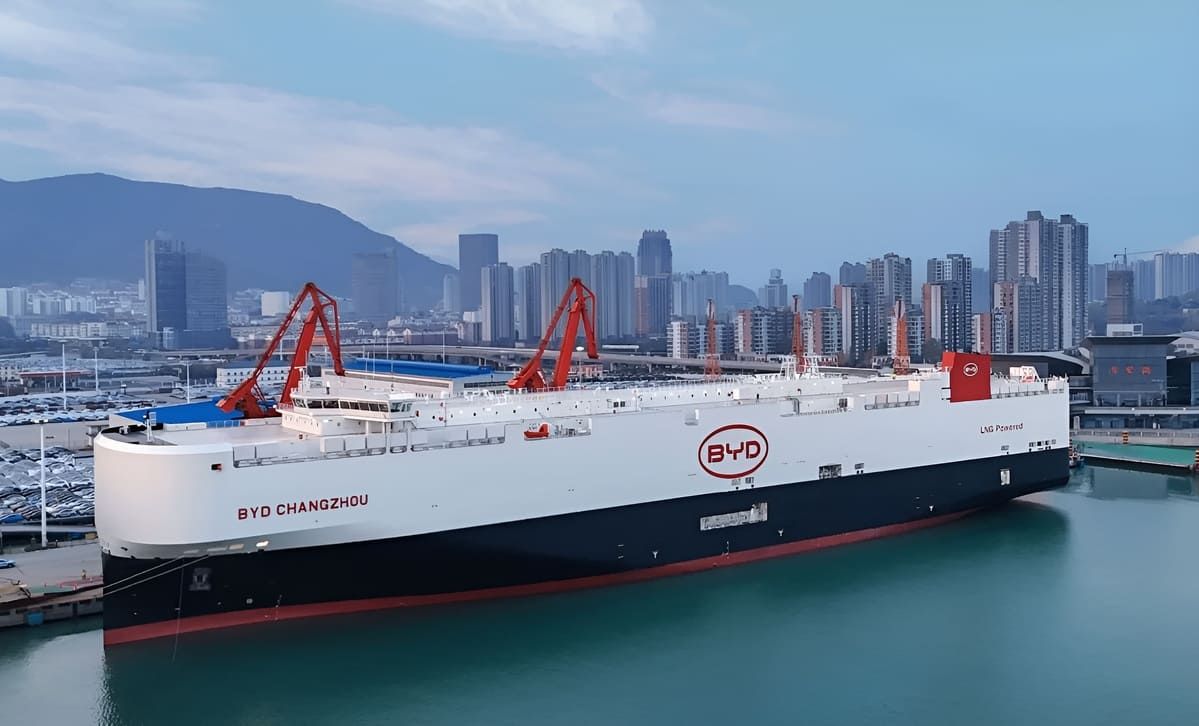
The use of proprietary ships is already part of BYD's international logistics and has also reached Argentina. In January 2026, the BYD Changzhou arrived at Terminal Zárate with 5,841 electrified vehicles from the brand. The vessel is 199.9 meters in length overall (LOA) and has a maximum capacity close to 7,000 vehicles. The addition of the new vessels will allow the automaker to have greater maritime transport capacity to distribute its production from China to various international destinations.